
A Deep Dive into Reliable Hemp Seed Sourcing and the Hemp Seed Supply Chain

The industrial hemp industry is rapidly evolving, and at its core lies the critical element of reliable hemp seed sourcing. As we explore the journey from seed to product, it becomes clear that the foundation of success in hemp farming and production depends heavily on the quality and consistency of the seeds used. In this post, we will examine the key stages of the hemp seed supply chain, the challenges faced, and practical strategies to ensure a sustainable and efficient process that benefits all stakeholders.
Understanding Reliable Hemp Seed Sourcing
Reliable hemp seed sourcing is the cornerstone of a thriving hemp industry. It involves selecting seeds that are genetically stable, compliant with legal THC limits, and suited to the specific growing conditions of a region. We recognize that sourcing seeds is not merely a transactional activity but a strategic decision that impacts crop yield, product quality, and regulatory compliance.
To achieve this, farmers and businesses must prioritize:
Seed certification and genetics: Certified seeds guarantee genetic purity and compliance with industrial hemp standards.
Supplier reputation: Working with trusted suppliers who provide transparent information about seed origin and testing.
Adaptability to climate: Selecting seed varieties that perform well in local environmental conditions to maximize growth and resilience.
By focusing on these factors, we can reduce risks associated with crop failure, legal issues, and inconsistent product quality.

Close-up view of hemp seeds in a wooden bowl
Key Stages in the Hemp Seed Supply Chain
The hemp seed supply chain is a complex network that connects seed producers, distributors, farmers, processors, and end-product manufacturers. Each stage plays a vital role in ensuring the seeds reach the fields in optimal condition and that the final products meet market demands.
1. Seed Production and Breeding
Seed production begins with breeding programs aimed at developing varieties with desirable traits such as low THC content, high fiber yield, or enhanced oil profiles. Breeders invest significant resources in research and development to create seeds that meet both regulatory standards and market needs.
2. Seed Processing and Certification
Once harvested, seeds undergo cleaning, drying, and testing to ensure quality and viability. Certification bodies verify that seeds meet industrial hemp criteria, including THC thresholds and germination rates. This certification is essential for legal compliance and market acceptance.
3. Distribution and Logistics
Efficient distribution channels are necessary to deliver seeds to farmers promptly. This stage involves careful handling to maintain seed viability, proper storage conditions, and timely transportation. Delays or poor handling can compromise seed quality and affect planting schedules.
4. Cultivation and Harvesting
Farmers rely on the quality of seeds to establish healthy crops. Proper agronomic practices, including soil preparation, planting techniques, and pest management, complement the genetic potential of the seeds. Harvesting at the right time ensures maximum yield and quality for downstream processing.
5. Processing and Manufacturing
Post-harvest, hemp seeds are processed into various products such as oils, protein powders, and animal feed. The supply chain extends into manufacturing, where quality control and traceability are critical to maintaining product integrity.
By understanding these stages, we can identify opportunities to optimize the supply chain for better efficiency and sustainability.
Challenges in the Hemp Seed Supply Chain
Despite its potential, the hemp seed supply chain faces several challenges that require careful management and innovative solutions.
Regulatory Complexity
Industrial hemp regulations vary widely by region and country, affecting seed certification, import/export rules, and THC limits. Navigating this regulatory landscape demands up-to-date knowledge and compliance strategies to avoid legal pitfalls.
Seed Quality Variability
Inconsistent seed quality can result from poor breeding practices, inadequate storage, or contamination. This variability impacts germination rates and crop performance, leading to financial losses and reduced confidence in the supply chain.
Supply and Demand Imbalance
The rapid growth of the hemp industry has sometimes outpaced seed production capacity, causing shortages and price volatility. Coordinated efforts between breeders, suppliers, and farmers are necessary to balance supply with market demand.
Environmental Factors
Climate change and soil health issues influence seed viability and crop success. Selecting resilient seed varieties and adopting sustainable farming practices are essential to mitigate these risks.
Addressing these challenges requires collaboration, transparency, and investment in research and infrastructure.
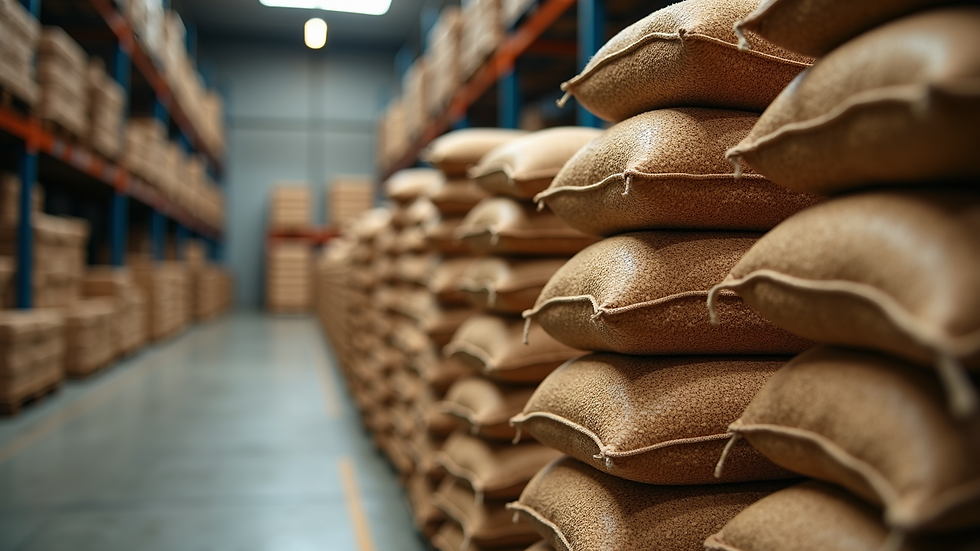
High angle view of hemp seed bags stacked in a warehouse
Strategies for Building a Sustainable Hemp Seed Supply Chain
To foster a sustainable and reliable hemp seed supply chain, we recommend the following actionable strategies:
Invest in Seed Research and Development
Support breeding programs focused on developing region-specific, high-performance hemp varieties. This investment ensures seeds meet both agronomic and regulatory requirements.
Establish Transparent Supplier Networks
Build relationships with certified seed producers and distributors who provide detailed seed information, including genetic profiles and test results.
Implement Quality Assurance Protocols
Adopt rigorous testing and certification processes at every stage, from seed production to delivery, to maintain seed integrity and compliance.
Enhance Supply Chain Traceability
Utilize technology such as blockchain or digital tracking systems to monitor seed movement and quality, increasing transparency and trust.
Promote Farmer Education and Support
Provide training on best practices for seed handling, planting, and crop management to maximize seed potential and yield.
Encourage Sustainable Farming Practices
Integrate crop rotation, organic amendments, and water conservation techniques to improve soil health and environmental resilience.
By implementing these strategies, we can create a hemp seed supply chain that supports long-term industry growth and sustainability.
The Future of Hemp Seed Sourcing and Industry Growth
Looking ahead, the hemp industry stands at a pivotal moment. As demand for hemp-based products expands, the importance of a robust and reliable seed supply chain becomes even more pronounced. We anticipate advancements in seed genetics, improved regulatory frameworks, and enhanced supply chain technologies will drive innovation and efficiency.
Moreover, collaboration among stakeholders—from breeders to farmers to manufacturers—will be crucial in overcoming current challenges and unlocking the full potential of industrial hemp. By prioritizing hemp seed supply chain integrity and sustainability, we position ourselves to lead the industry toward a prosperous and responsible future.
Together, we can build a resilient hemp ecosystem that benefits farmers, businesses, and consumers alike, ensuring that hemp remains a versatile and valuable resource for years to come.


Comments